Second Chance Act Post-Release Rapid Employment Program

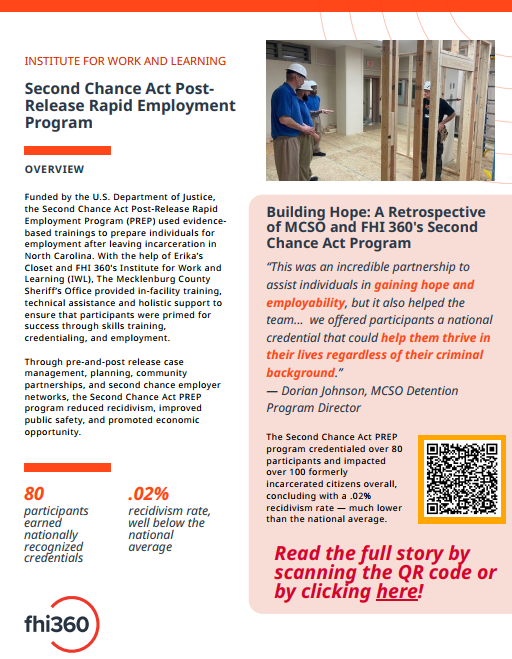
Funded by the U.S. Department of Justice, the Second Chance Act Post-Release Rapid Employment Program (PREP) used evidence-based trainings to prepare individuals for employment after leaving incarceration in North Carolina through a partnership between FHI 360’s National Institute for Work and Learning, Erika’s Closet, and the Mecklenburg County Sheriff’s Office.

Read the full fact sheet to learn more!

2025 NIWL Annual Report

Our work in 2025 reflects our commitment to meeting people where they are and building systems that support long-term economic mobility. Whether developing registered apprenticeships, working with corporate partners to build career pathways, supporting individuals returning from incarceration, or helping families navigate career exploration and advancement, NIWL focused on connecting learning to opportunity, and opportunity to stability.

Read NIWL’s 2025 Annual Report to learn more about our commitment to strengthening workforce systems that work for individuals, families, and communities.

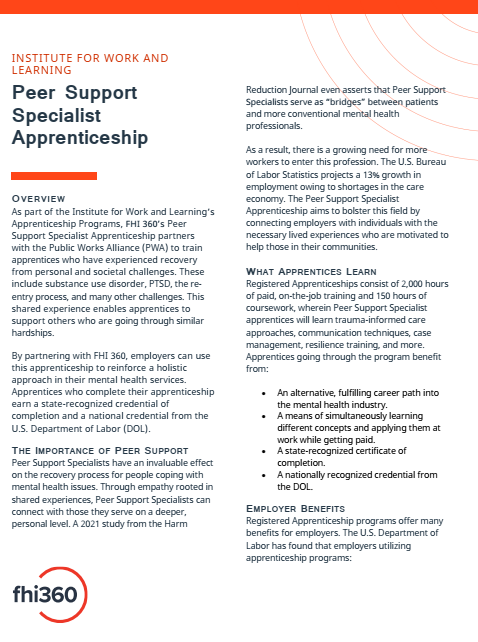
Community Health Worker Apprenticeship

Developed and implemented in partnership with the Public Works Alliance and Westcoast Children’s Clinic, the Community Health Worker (CHW) Apprenticeship offers a comprehensive career path that ensures a high standard of training in both practical experience and classroom learning. Through the apprenticeship, participants are better able to serve as health advocates for their communities. 

Read the full fact sheet to learn more!

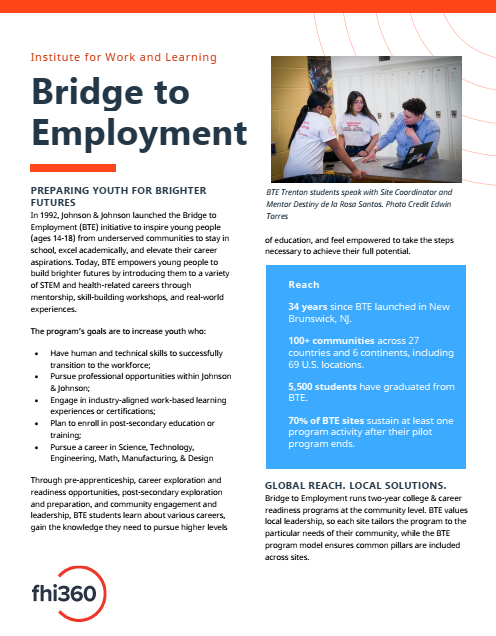
Bridge to Employment Pre-Apprenticeship Flyer

BTE is a two‑year experience designed to help students confidently move from high school to real opportunities in STEM careers. In the first year, students complete a structured 40‑hour STEM-focused pre‑apprenticeship that offers hands‑on activities and builds essential
foundational skills. This pre‑apprenticeship is aligned with registered apprenticeship pathways that students can pursue after graduation, but choosing an apprenticeship is completely optional. The pre‑apprenticeship empowers students with practical skills and meaningful experiences that open doors to future possibilities.

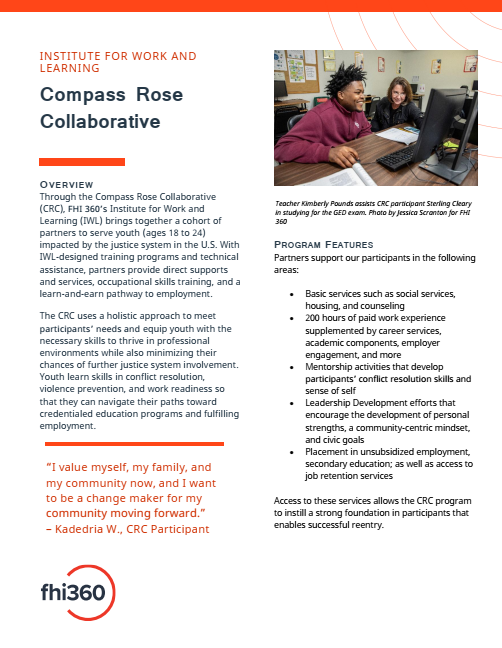
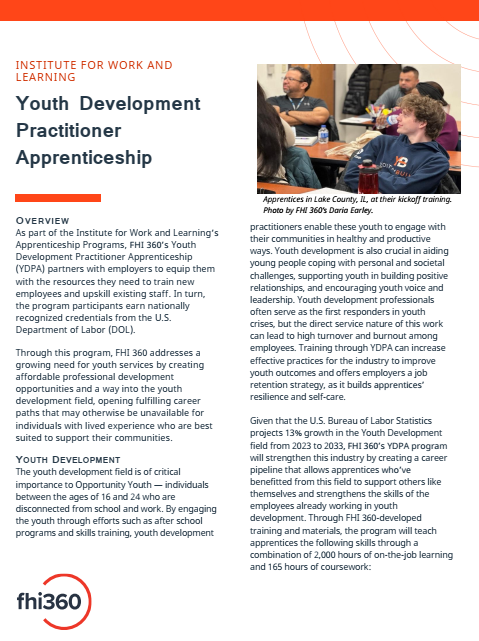
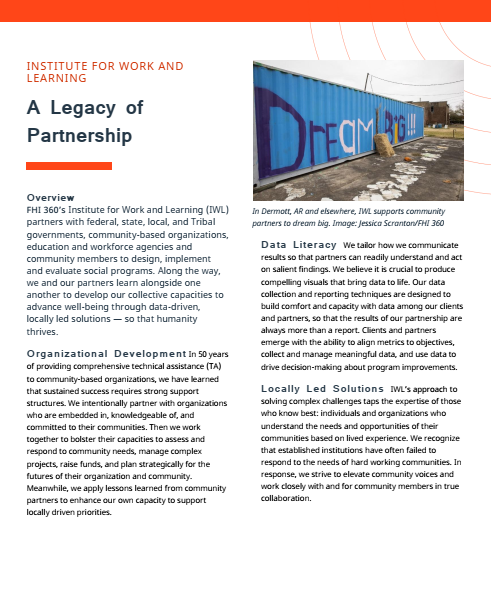
Want to learn more? Read the full flyer by clicking the thumbnail!

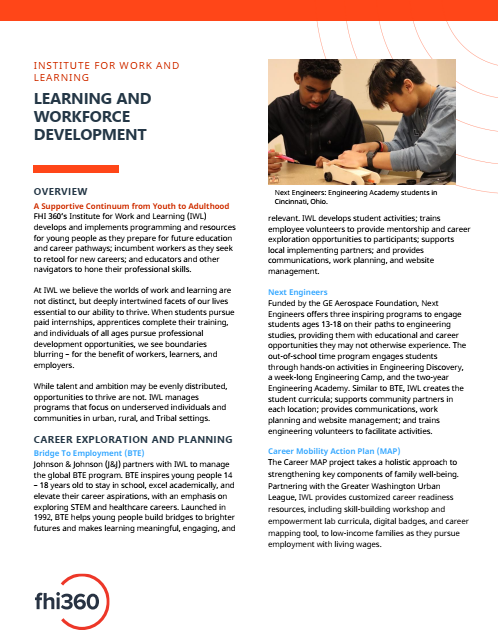
Learning and Workforce Development Overview

NIWL’s programs serve youth and young adults in career exploration, workforce development, and education to career transitions – all to serve the greater workforce environment in a way that benefits workers, learners, and employers. Read the full overview to learn more.

Substance Abuse Prevention Programming in Native Communities

Substance Abuse Prevention Programming examines the inclusion of Indigenous knowledge, culture, and traditions in health interventions for Native youth. Culture-centric programs promote holistic healing, connection to community, and beneficial, lasting change.

Read the full report to learn more.

Employer Engagement Toolkit

Coming Soon!

Building and maintaining strong employer partnerships is essential for organizations seeking to match talented job seekers with the right opportunities. Employers are not just looking for job candidates; they are seeking long-term, strategic partners who can provide ongoing workforce solutions that align with their business goals. This toolkit is designed to equip workforce development staff with the strategies and insights needed to engage effectively with employers, from the initial prospecting stages to sustaining long-term relationships. Key areas explored:

  • Leveraging LMI for Employer Partnerships
  • Prospecting and Researching Potential Employer Partners
  • Crafting a Communication Strategy
  • Nurturing and Growing Employer Partnerships
  • Employer Incentives and Business Benefits
  • Deepening Employer Relationships and Addressing Challenges
  • Ongoing Partnership and Employer Success

Community-Driven TOC Tool

This tool for Facilitators can be used to support community engagement and respect for local norms in evaluation planning and theory of change development. Click the resource to access the full tool.

Art as Medicine: Art-Based Programming

Art as Medicine: Art-Based Programming examines the benefits of art as an avenue for emotional expression and healing for justice-involved youth. Art-based programs can help youth process emotions, manage behavioral issues, and develop healthier responses to stress, in addition to building their interpersonal, problem-solving, and emotional regulation skills.

Read the full report to learn more.

Harnessing the Healing Power of Shared Experience: Mentorship and Peer Programs

Mentoring and peer programs rooted in cultural values are proving to be powerful tools for supporting American Indian and Alaska Native youth. These initiatives, ranging from drumming-based mentoring and equine therapy to youth-led courts and peer recovery support, build on trusted relationships and shared lived experience to foster resilience, reduce justice involvement, and promote mental wellness. This issue brief highlights promising, community-driven approaches that center Native voices and traditions, offering professionals practical insights into culturally responsive, strengths-based strategies that work.

Read the full report to learn more.